

Why you can trust Sunlight Media
- Expertise and Experience:Our content is crafted by seasoned professionals with extensive experience in digital marketing, ensuring you receive accurate and actionable advice.
- Unbiased Information:We provide impartial insights and recommendations based solely on what's best for your business, without any hidden agendas or promotions.
- Thorough Research:Our articles are backed by comprehensive research and the latest industry trends, ensuring you stay informed with reliable and up-to-date information.
- Transparency and Honesty:We believe in complete transparency. We disclose our sources, methodologies, and any potential conflicts of interest, so you can trust the integrity of our content.
- Continuous Improvement:We constantly review and update our content to reflect the latest developments in digital marketing, so you always have access to the most current and relevant information.
Graphic design in 2026 is being reshaped by two forces pulling in opposite directions: AI tools that generate imagery in seconds, and a renewed craving for the human, handmade, and imperfect. This year’s trends reflect that tension.
Below, our design team breaks down the styles defining 2026 — and where visual design is heading next.
AI-Assisted Design, Human-Finished
The Handmade Rebellion
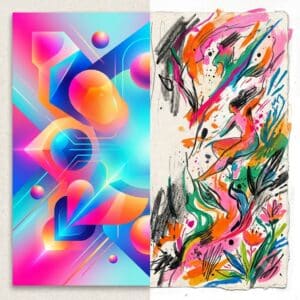
As AI-generated imagery floods every feed, audiences have started craving proof of human hands: visible brushstrokes, hand-drawn typography, collage, grain, and deliberate imperfection. This anti-AI aesthetic is less a style than a trust signal — imperfection reads as authenticity. Expect hand-drawn illustration and analog textures anywhere a brand wants to feel personal.
Bold Expressive Typography
Type is doing the heavy lifting in 2026. Oversized headlines, variable fonts that respond to scroll and hover, and expressive custom letterforms are replacing imagery as the focal point of layouts.
Type is doing the heavy lifting in 2026. Oversized headlines, variable fonts that respond to scroll and hover, and expressive custom letterforms are replacing imagery as the focal point of layouts. For brands, a distinctive typeface has become what a logo mark was a decade ago — the fastest way to be recognizable. If your mark hasn’t kept pace, our custom logo design services in Los Angeles build identities around exactly these principles.
Retro Futurism & Y2K Redux
Nostalgia keeps cycling forward: the chrome, gradients, and optimism of late-90s and early-2000s design are back, filtered through modern polish. It’s escapist and playful — a counterweight to minimalism fatigue — and it’s especially strong in music, fashion, and consumer tech branding.
Sustainable & Low-Impact Design
Sustainability has moved from talking point to design constraint: lighter file sizes, energy-efficient dark palettes, recycled and minimal print materials, and honest eco-messaging over greenwashed leaf icons. Clients increasingly ask for it; designers increasingly build it in by default.
Maximalist Color & Dopamine Palettes
Motion-First Brand Identity
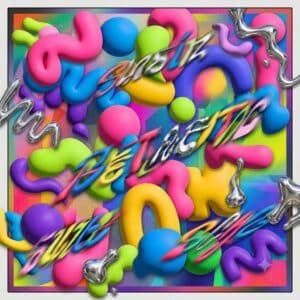
Static logos are becoming the exception. Identities in 2026 are designed to move — animated logos, kinetic type, micro-interactions — because most brand touchpoints are now screens. Designing the motion behavior of a brand is becoming as fundamental as choosing its colors. It’s also why modern web design in Los Angeles starts with how a brand behaves in motion, not just how it looks at rest.
3D & Spatial Design Goes Mainstream
3D illustration, dimensional typography, and spatial layouts have gone from specialist skill to standard toolkit, driven by accessible tools and AR-ready platforms. Soft, tactile 3D — inflated shapes, clay-like renders — dominates, adding depth and personality without photorealism.
Graphic Design Tools
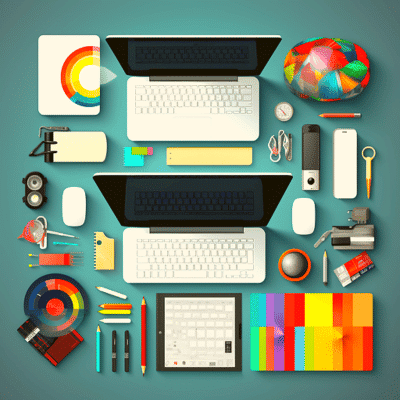
The field of graphic design is powered by a range of innovative tools that help designers bring their creative visions to life. From industry-standard software to cutting-edge digital platforms, these tools provide the functionality needed to create stunning visual designs. Here are the top 10 graphic design tools in 2026, including the increasingly popular Midjourney.
1. Adobe Creative Cloud
Adobe Creative Cloud remains the industry standard for graphic design. This suite of tools, including Photoshop, Illustrator, and InDesign, provides designers with a comprehensive range of capabilities, from photo editing and vector art to layout design and typography.
2. Sketch
Sketch is a vector-based design tool renowned for its user-friendly interface and powerful features. Particularly popular among web and user interface designers, Sketch offers precision and flexibility, making it an excellent choice for designing digital products.
3. Midjourney
Midjourney is a rising star in the graphic design software sphere. It stands out with its intuitive and user-friendly interface, along with a suite of tools that cater to both novice and experienced designers. Its cloud-based platform allows for real-time collaboration, making it an ideal choice for team projects.
4. Procreate
Procreate, a powerful digital illustration app designed for the iPad, is loved by artists and designers alike. With its responsive brushes, robust layer system, and an array of tools and effects, Procreate offers an immersive design experience.
5. Canva
Canva’s easy-to-use platform and wide range of templates make it a popular choice for non-designers and professionals alike. Canva is web-based and offers a vast library of fonts, stock photos, and graphics, making it a versatile tool for quick design tasks.
6. Figma
Figma is a cloud-based design tool known for its collaborative capabilities. It’s particularly popular for UI and UX design, allowing multiple designers to work on a project simultaneously. Figma’s vector tools and prototyping features also make it a standout choice for web and app design.
7. CorelDRAW
CorelDRAW is a vector graphics editor that’s been a mainstay in the design industry for years. It offers a suite of tools for illustration, layout, photo editing, and typography. It’s known for its powerful features and precision, making it an excellent choice for detailed design work.
8. InVision Studio
InVision Studio is a UI tool designed for creating interactive and animated interfaces. It provides designers with an integrated solution for design and prototyping. The platform is especially useful for designers working on user interface and user experience projects.
9. Affinity Designer
Affinity Designer is a professional design software offering vector graphic design and layout capabilities. Known for its speed and precision, it’s an excellent tool for creating detailed and complex designs. Affinity Designer supports both raster and vector workspaces and is appreciated for its one-time purchase model.
The Future of Graphic Design
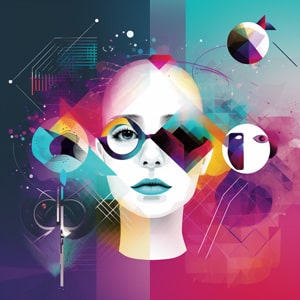
Here are some predictions for what we can expect from the future of graphic design:
1. More Immersive Experiences
With the rise of virtual reality (VR) and augmented reality (AR), we can expect graphic design to become even more immersive. These technologies provide new platforms and possibilities for designers, allowing them to create designs that interact with users in innovative ways.
2. AI and Machine Learning
Artificial Intelligence (AI) and Machine Learning are already making a significant impact across various industries, and graphic design is no exception. These technologies could automate some design processes, offer predictive design suggestions, and even create simple designs independently. However, the creative intuition and problem-solving capabilities of human designers will remain essential.
3. Personalization
As data collection becomes more sophisticated, so too does the potential for personalized design. This means that designs will not just be responsive in terms of device size, but also in terms of user behavior and preferences. This level of personalization can enhance user engagement and improve the overall user experience.
4. Sustainability in Design
As environmental concerns continue to grow, sustainability is becoming an increasingly important factor in design. This could influence not only the content of designs but also the processes behind them. We can expect to see more eco-friendly design practices, from choosing sustainable materials for print design to optimizing digital designs for energy efficiency.
5. Motion and Interactivity
Motion design and interactive elements are set to play an even bigger role in the future of graphic design. From micro-animations on websites to interactive infographics, these dynamic elements can make designs more engaging and improve user interaction.
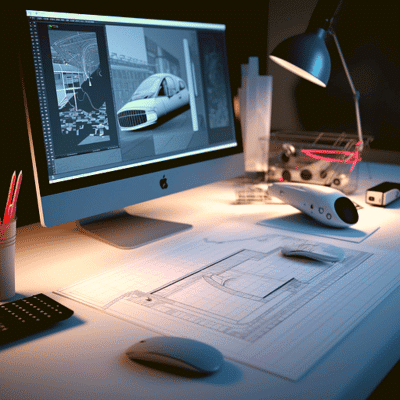
6. 3D Design
7. Evolution of Remote Collaboration
The trend of remote work is likely to continue influencing the design industry. Tools for real-time collaboration, like Midjourney, will continue to improve, making it easier for design teams to collaborate effectively from different locations.
These are just a few of the ways the future of graphic design could unfold. No matter how technology or trends change, the core of graphic design will remain the same: to communicate ideas effectively and creatively. The evolution of graphic design will continue to be driven by the need to connect with audiences in meaningful and engaging ways.
Conclusion
The world of graphic design is ever-evolving, and the trends of 2026 reflect the industry’s creativity and adaptability. Whether it’s the mystical symbolism of astrology-inspired designs or the rebellious spirit of punk revival, these trends offer a glimpse into the future of design.
They are a testament to the power of graphic design in shaping our visual landscape, reflecting societal changes, and influencing our perceptions of the world. As we continue through the year, it will be fascinating to see how these trends evolve and what new movements emerge.
Need a Brand That Looks Like 2026?
Trends are only useful if they’re applied with judgment. Sunlight Media’s Los Angeles design team builds logos, brand identities, and websites that feel current without chasing every fad — design that still looks right three years from now. Get a free quote or explore our logo design services.






4 Comments
Very nice informative and impressive post you have written, this is quite interesting
Thanks Daniel!
Thanks for Sharing useful insights.
I hope this trends will help us in our graphic design work. Thank you for sharing it.