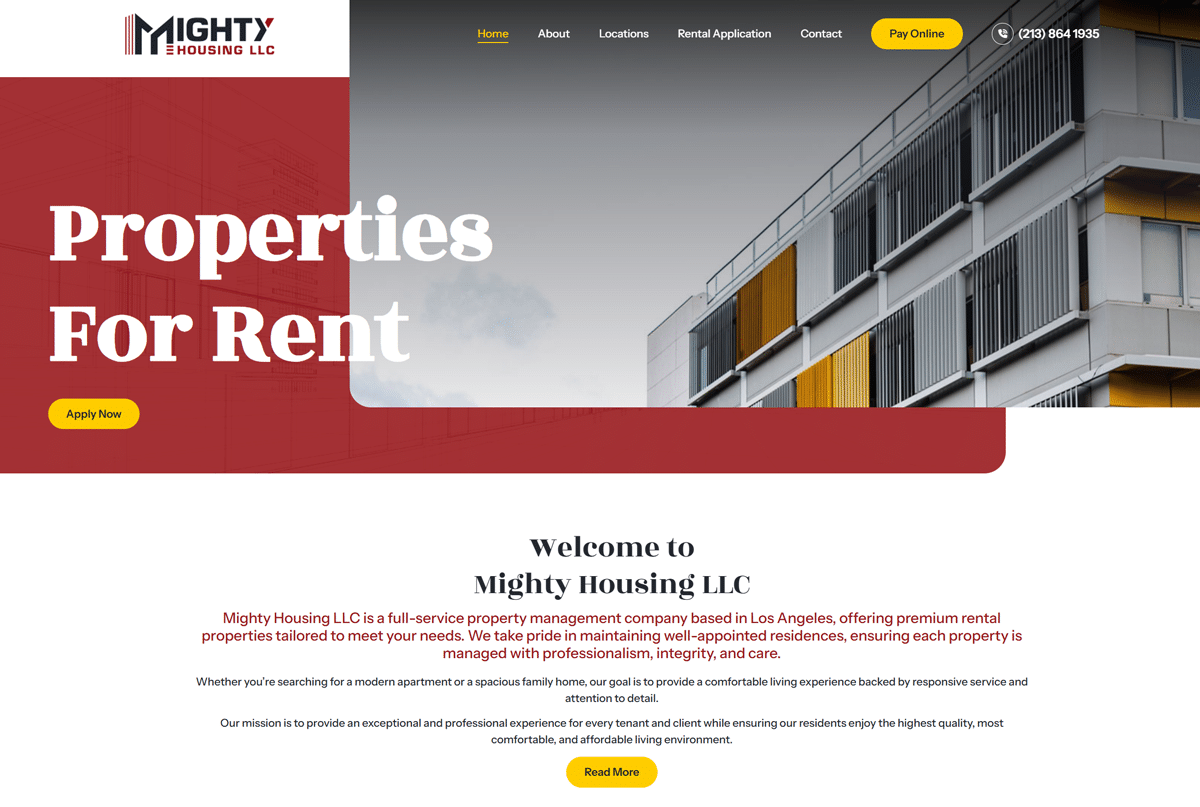
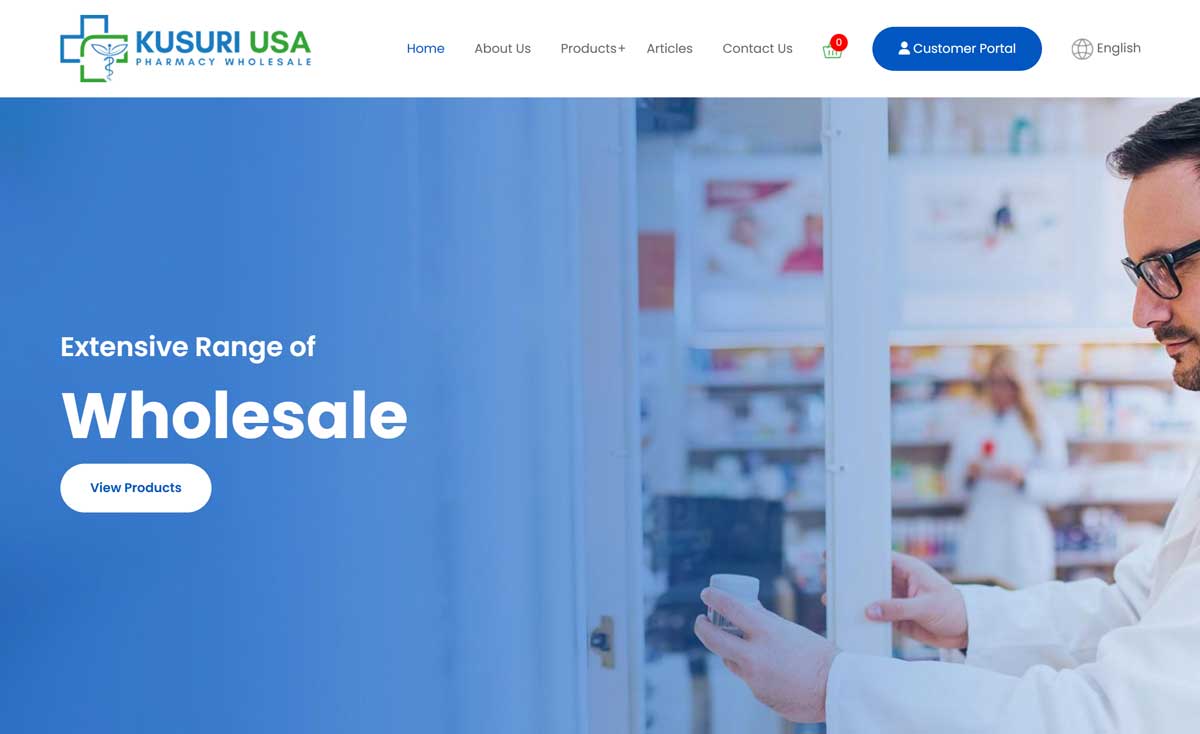
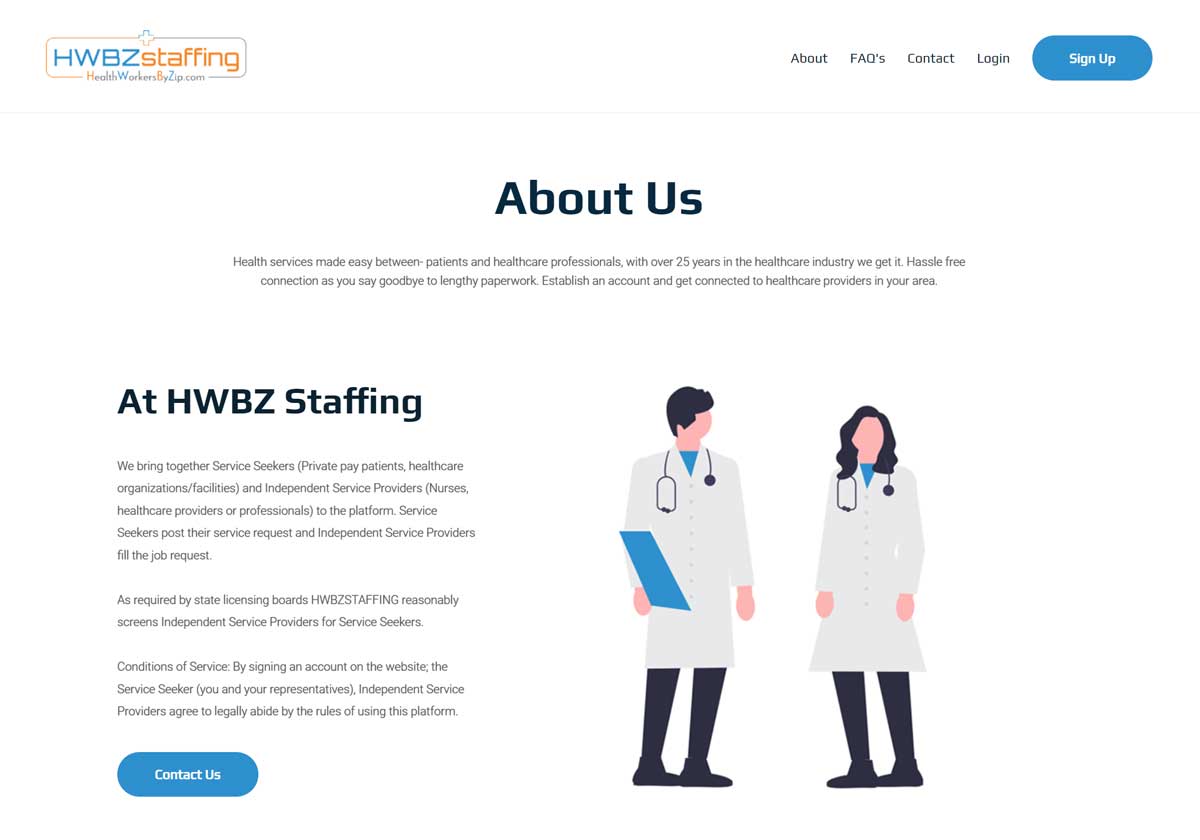
Custom ecommerce builds for Los Angeles businesses
The projects above are all custom-built ecommerce sites — no themes, no DIY builders, no template factories. We work primarily on three platforms, selected based on what fits each business model:
- Shopify — fast-launching brand stores with strong product imagery, app integrations, and conversion-optimized themes
- WooCommerce — businesses already on WordPress that want unified content and commerce on a single stack
- Magento — complex catalogs, B2B workflows, multi-store configurations, and enterprise-grade requirements
Every engagement includes platform selection consultation, custom design, payment and shipping integration, performance tuning, and post-launch support. See platform-specific information: Shopify Web Design or Magento Development
Get a quote for your ecommerce project
Tell us about your business model, product catalog, and target launch date — and we will recommend the right platform and scope the engagement.
Request a Free Quote →
Or call 323.868.3581 to speak with a strategist directly.
Common questions about ecommerce projects
How do I choose between Shopify, WooCommerce, and Magento?
Most LA businesses we work with end up on one of three based on their model. Shopify is best for brand-led stores under roughly 10,000 SKUs that want a fast launch and minimal ongoing maintenance — most consumer brands, apparel, beauty, and food and beverage businesses fit here. WooCommerce suits businesses already on WordPress that want commerce integrated with content, blog, and SEO on a single stack — common for service businesses adding a store. Magento (Adobe Commerce) is the right call for complex catalogs, B2B pricing rules, multi-store configurations, and enterprise security requirements — but it carries significantly higher hosting and maintenance overhead. We recommend a platform based on your catalog size, business model, and team’s technical capacity during the discovery call.
How much does a custom ecommerce site cost in Los Angeles?
Custom ecommerce builds cost more than informational sites because of catalog setup, payment and shipping integration, security requirements, and platform licensing. The specific range depends on platform choice, catalog size, integrations, and design depth — a small Shopify brand store and an enterprise Magento build can differ by 5× or more. We’ve published a benchmark post with real LA project pricing: What Does a Website Cost in Los Angeles? For an ecommerce-specific quote, tell us about your catalog and we’ll scope the engagement.
How long does an ecommerce build take?
Most Shopify and WooCommerce builds take 4 – 8 weeks from kickoff to launch. The primary variables are catalog complexity (number of SKUs and product variants), payment and shipping integration scope (which carriers, currencies, and tax jurisdictions), and content readiness on your end (product photography, descriptions, lifestyle imagery). Magento and Adobe Commerce engagements typically run 6 – 10 weeks given the platform’s complexity. Store migrations from existing platforms add 2–4 weeks depending on data volume and URL structure decisions.
Can you migrate my existing store to a new platform?
Yes — we regularly migrate stores between Shopify, WooCommerce, Magento, PHPLaravel, and Joomla. A migration project typically includes product data export and import, customer account migration where the destination platform supports it, order history preservation, URL mapping with 301 redirects to maintain SEO equity, and reconciliation of payment gateway and shipping settings. Migration scoping depends on your current platform, data volume, and any custom functionality that needs to be rebuilt. Tell us about your current setup and we’ll scope the migration.
What payment processors and shipping integrations do you support?
We work with all major payment processors including Stripe, Square, Authorize.net, PayPal, Apple Pay, and Google Pay, plus platform-native options like Shopify Payments and Adobe Commerce Payments. For shipping, we integrate with USPS, UPS, FedEx, DHL, ShipStation, and platform-native rate calculators. We also handle tax calculation integrations (TaxJar, Avalara) for businesses selling across multiple states. If you need a niche integration — subscription billing, alternative payment methods, custom shipping logic — we scope it during discovery.
What happens after launch — ongoing maintenance, security, and updates?
Ecommerce sites need more ongoing attention than informational sites: platform updates, security patches, plugin and app maintenance, payment processor compliance (PCI DSS), and performance monitoring all matter for a live store handling transactions. We offer maintenance retainers that include monthly platform updates, security monitoring, performance reviews, and priority response to issues. Hosting on WP Engine (for WooCommerce) or platform-native (for Shopify and Magento) is included as part of the recommendation.